

How To Prevent Your Car From Scraping On Driveways And Rolled Curbs
Even though driveways are supposed to make entering and exiting your property easier, they can still cause damage, especially if your vehicle has low ground clearance. When there’s a steep transition or a rolled curb between the street and your driveway, the front bumper or undercarriage often pays the price.
If your driveway entrance feels too steep, you’re probably familiar with that dreadful crunching sound as the front of your car makes contact with the pavement. Those scrapes aren’t just annoying, they can be surprisingly expensive to repair.
The good news? There are several ways to help your car handle steep curbs and difficult driveway angles, but as you’ll find, one method is far more cost effective than the rest.
1. Use A Curb Ramp
For most situations, a curb ramp – like the BRIDJIT ramp set – is the simplest, most affordable fix. A curb ramp creates a smoother transition between the street and your driveway, reducing the angle so your car glides over instead of scraping.
A good curb ramp turns a harsh driveway angle into a smooth, low-stress entry point. Here’s why BRIDJIT curb ramps help:
- Reduces Curb Impact By Up To 80%, Preventing Excess Vehicle Wear and Tear
- No Jolt – Smooth Entry and Exit Over Rolled Curbs
- Use In Any Weather – Built-In Water Channel Allows Drainage
- 3-Piece Curb Ramp Set Covers Almost 12ft of Rolled Curb Driveway
While you can have a custom ramp built, it’s usually far more expensive than using a pre-made solution like BRIDJIT. Most homeowners find that an aftermarket curb ramp is all they need to avoid scraping the front of their vehicle.
2. Lift The Front Of Your Car
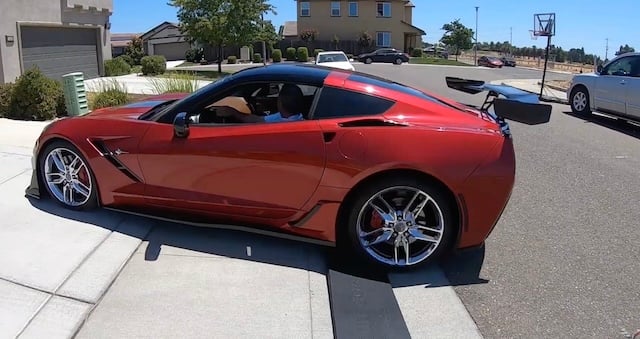
Image Credit: James
Some vehicles – especially sports cars – have an optional ‘nose lift’ feature built in from the factory. For others, you can install a lift kit or air suspension system that raises the front end at the push of a button. This gives you a few extra inches of clearance when entering or exiting a steep driveway. Common lift options include:
- Front-end lift kits
- Air suspension upgrades
- Manufacturer-installed systems (e.g., Porsche front-end lift)
These systems work well, but they can be pricey and require professional installation. Unless your car is already equipped with a lift kit, or you own an exotic car where upgrading it makes sense, this option isn’t really viable for most people.
3. Modify Your Driveway
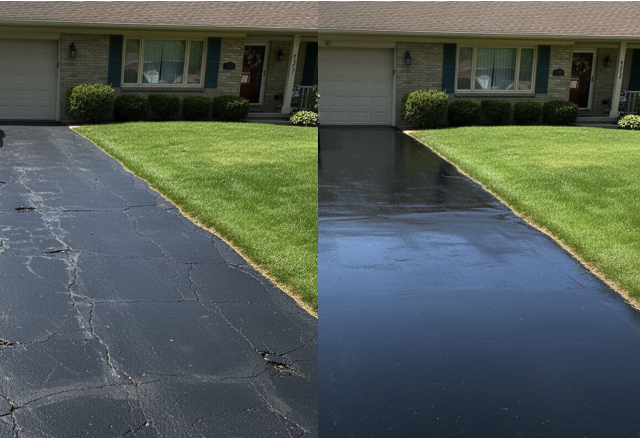
This is the most extreme (and most expensive) option and is only really viable if you are already remodeling your home. If you decide to modify your drive, common methods include:
- Repaving or leveling the entry area
- Adjusting the driveway slope
- Rebuilding the apron to soften the approach angle
For most homeowners, this is a last-resort solution – and keep in mind:
- Most municipalities require permits for driveway modifications
- Changing the angle often involves significant labor and cost
- Projects typically run into thousands of dollars
There is already a great solution for a fraction of the cost, it’s called a BRIDJIT curb ramp. We even offer portable ramps for those who only need a temporary solution. If you have a low-profile specialty vehicle you only take out once in a while, portable may be all you need.
The Only Sensible Solution: BRIDJIT
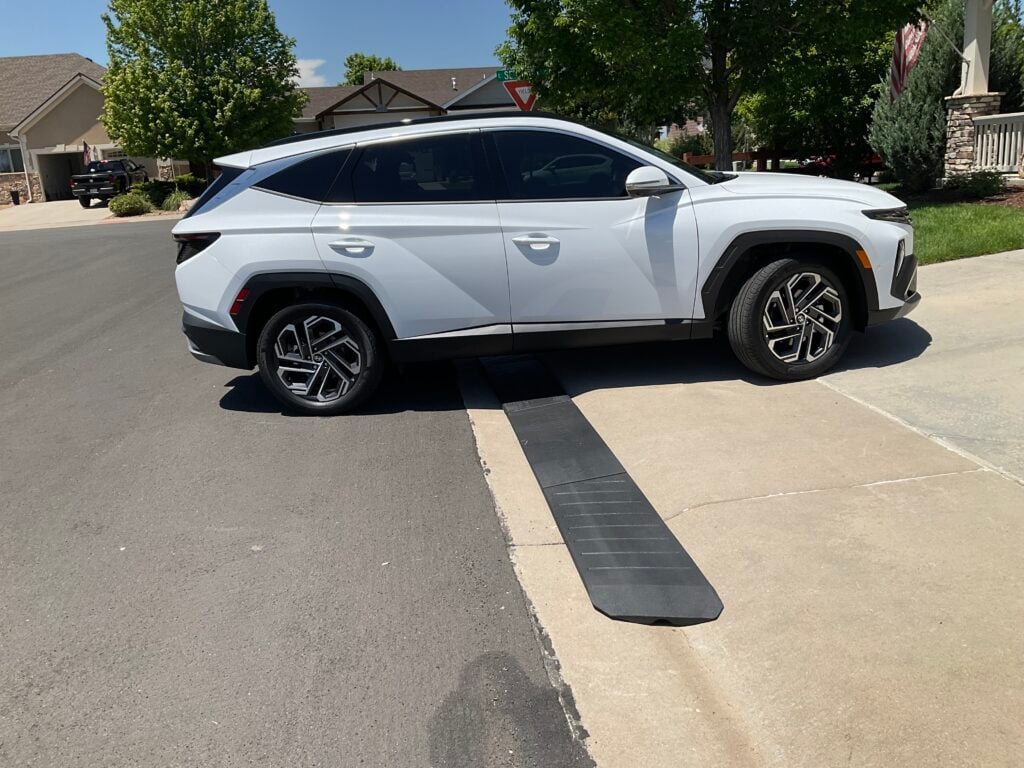
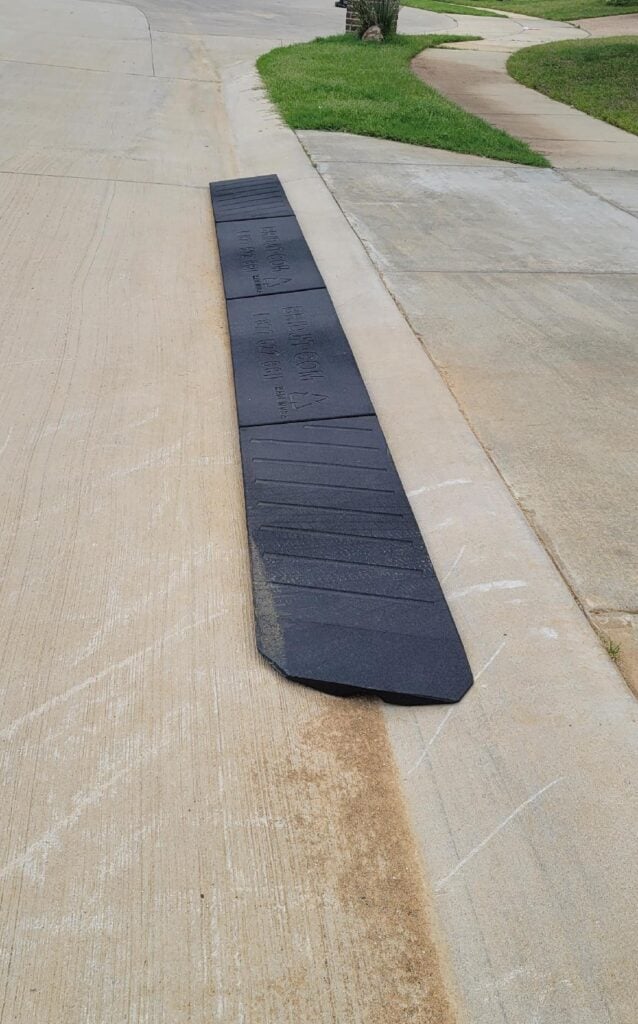
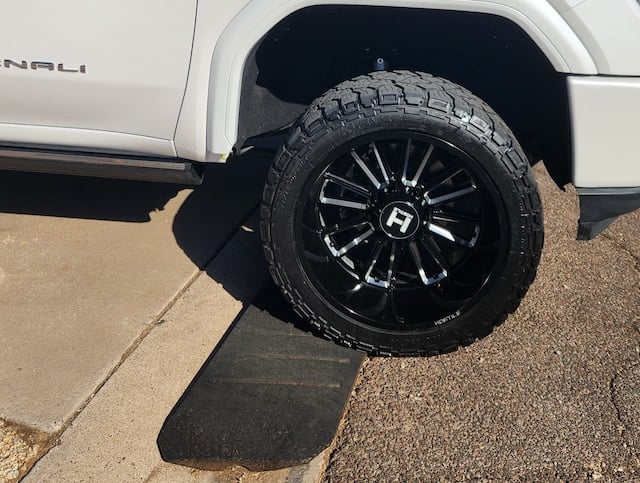
Out of all the options available, a curb ramp is by far the easiest and most affordable solution for preventing your car from scraping on steep driveways or rolled curbs. Curb ramps work well for the majority of situations and require no major construction or vehicle modifications.
Many homeowners choose BRIDJIT as their go-to curb ramp system because it’s durable, effective, and simple to install. You can read reviews and learn more about BRIDJIT’s ramp sets here.